Event #1 - Trip to the Man Made Exhibit
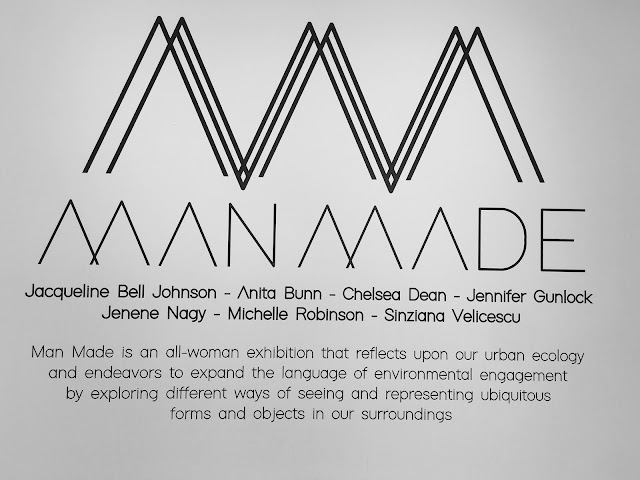
MAN MADE was a completely new and enlightening event for me. It was all about exploring the urban ecology of our built environment through Los Angeles female artists. It also explored mathematics and science through all of its pieces. The event featured 5 artists who took us around the exhibition and explained the thinking and work behind all their pieces. As the event started, we walked into the first main show room which featured pieces by Chelsey Dean and Jacqueline Bell Johnson. These were the two artists that stood out the most to me because they both, in their own ways, explored the world through a new perspective. Chelsey focused on photography and reflections of “our world” and went into detail about conflict between order and entropy. She achieved this by adding textures and dimension to her photographs to add beauty and weight to something as simple as a picture of an abandoned shed in the middle of nowhere. Moving on to the next room, we saw more pieces by...


Comments
Post a Comment